

 by
by 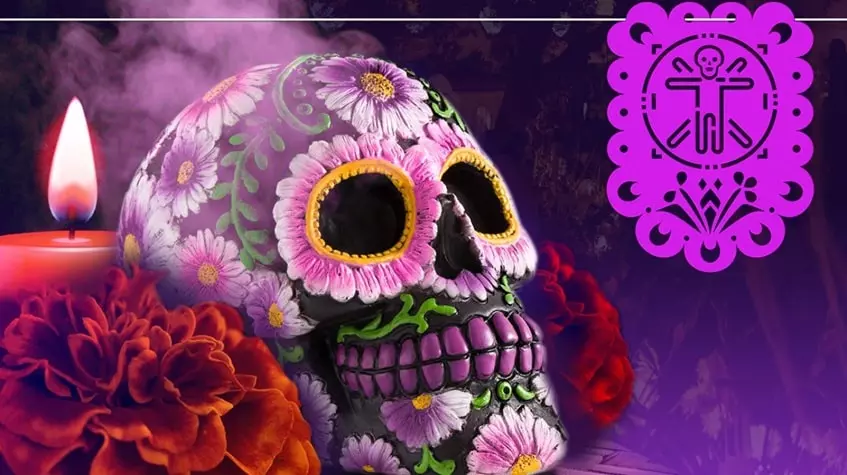
The Day of the Dead is one of Mexico’s most iconic holidays, blending indigenous tradition with Catholic elements to honor deceased loved ones. Celebrated primarily on November 1 and 2 , this holiday attracts both locals and tourists from around the world, eager to experience this emotional and colorful celebration.
The Day of the Dead is not only a tribute to those who have passed away, but a vibrant celebration that unites the past and the present. Altars, skulls, and the figure of La Catrina fill this holiday with life, reminding us that even though physical life fades, love and legacy live on.
Table of Contents
What is the Day of the Dead and how is it celebrated in Mexico?
The Day of the Dead is a Mexican tradition that celebrates life and death in a joyful and colorful way. Unlike other cultures, in Mexico it is believed that on this day, the spirits of the deceased return to spend time with their loved ones.
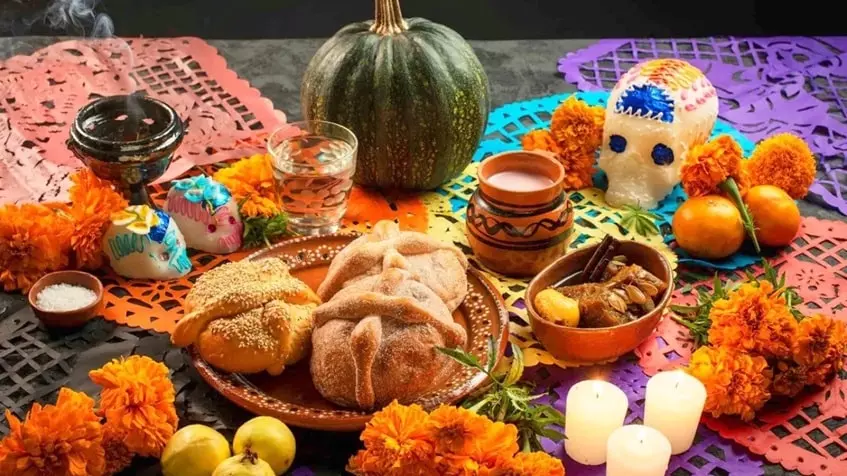
This holiday is celebrated by erecting altars in homes and cemeteries, decorated with marigold flowers, candles, sugar skulls , and the deceased’s favorite foods. Families gather in cemeteries, decorate graves, and celebrate the lives of those who are no longer with them.

Meaning of the Colors on the Day of the Dead
The colors of the Day of the Dead have a profound meaning. They are used both on altars and in cemetery decorations.
| Color | Meaning |
|---|---|
| Purple | It symbolizes mourning and grief for the deceased. |
| White | It represents purity and hope. |
| Orange | It is linked to the cempasúchil, the flower of the dead, and symbolizes life and death. |
| Red | It represents the blood of Christ and the sacrifice. |
| Yellow | It symbolizes light and guidance for souls. |
La Catrina and Her Spiritual Meaning on the Day of the Dead
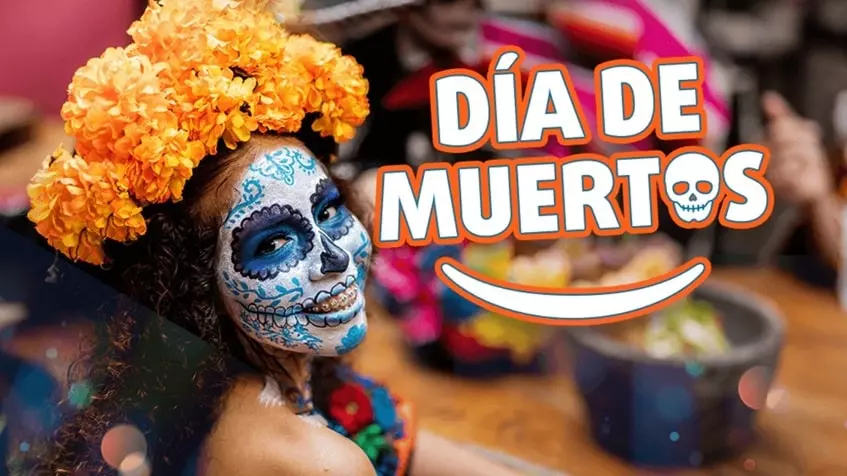
La Catrina , an elegant skeletal figure dressed with refinement, is one of the most important symbols of the Day of the Dead. She was created by illustrator José Guadalupe Posada and popularized by muralist Diego Rivera. La Catrina represents equality in the face of death, reminding us that we all share the same destiny, regardless of our social status.

This figure has become a cultural icon that appears in parades, altars, and celebrations, reminding us that death is a part of life and should be faced with joy and acceptance.
Skulls on the Day of the Dead: Their Symbolism and Use
Skulls are one of the most characteristic elements of the Day of the Dead. They come in a variety of forms, from sugar skulls to elaborate papier-mâché sculptures to visual art.
- Sugar Skulls : Decorated with vibrant colors, these are placed on altars to remember the deceased. Although they may appear eerie, these skulls have a playful touch, representing the idea that death should not be feared, but rather accepted as a natural part of life.
- Literary Calaveras : Humorous poems written on these dates, dedicated to friends or public figures, highlighting their qualities and defects in a playful way.

The Day of the Dead in Playa del Carmen and Tulum
In Playa del Carmen and Tulum, the Day of the Dead is one of the most anticipated holidays of the year. These two Riviera Maya cities celebrate with parades, public altars, and cultural performances.
Main events in Playa del Carmen and Tulum:
- Xcaret Festival of Life and Death Traditions : An emblematic event where visitors can enjoy altars, traditional dances and musical performances that tell the story of the Day of the Dead.
- “Todos Somos Catrinas” Parade : This parade is held in Plaza 28 de Julio, in Playa del Carmen, with people dressed as Catrinas and skulls parading through the streets, with music and joy.
- Altars on Fifth Avenue : In Playa del Carmen, the famous Fifth Avenue is filled with altars where locals and tourists come together to remember the deceased and celebrate together.
Hanal Pixán: The Mayan Tradition of the Day of the Dead in Yucatán
On the Yucatán Peninsula, the holiday takes on a unique twist with Hanal Pixán , a Mayan celebration meaning “food of souls.” During the first few days of November, families prepare foods like mucbipollo , a traditional tamale cooked underground, and place them on altars to welcome the souls of their loved ones.
Hanal Pixán is a colorful and mystical festival that combines pre-Hispanic Mayan traditions with elements of the modern Day of the Dead.
Day of the Dead Dates: When is it Celebrated?
The Day of the Dead is celebrated on November 1 and 2. November 1 is dedicated to the “little angels,” or deceased children, while November 2 is dedicated to adults. These dates coincide with the Catholic celebrations of All Saints’ Day and All Souls’ Day , reinforcing the syncretism of this Mexican tradition.
Conclusion
The Day of the Dead is more than just a holiday; it’s a rich cultural expression that unites life and death in a colorful and loving celebration. From altars laden with symbolism to skulls and Catrinas that remind us of the fragility of life, this tradition is a unique way to keep the memory of loved ones alive. In both Playa del Carmen and Tulum , this celebration unites people in a celebration that endures through time.
How is the Day of the Dead celebrated in your city?
We’d love to hear your feedback. If you have any comments, concerns, or questions, please feel free to share them in the comments section below. We’re here to help and guide you.
If you found this article helpful, please feel free to share it on your favorite social media platforms or send it to your family and friends via email or WhatsApp! Thank you so much for your support, and remember, we are Plalla Real Estate. 🙂

Join The Discussion