



 by
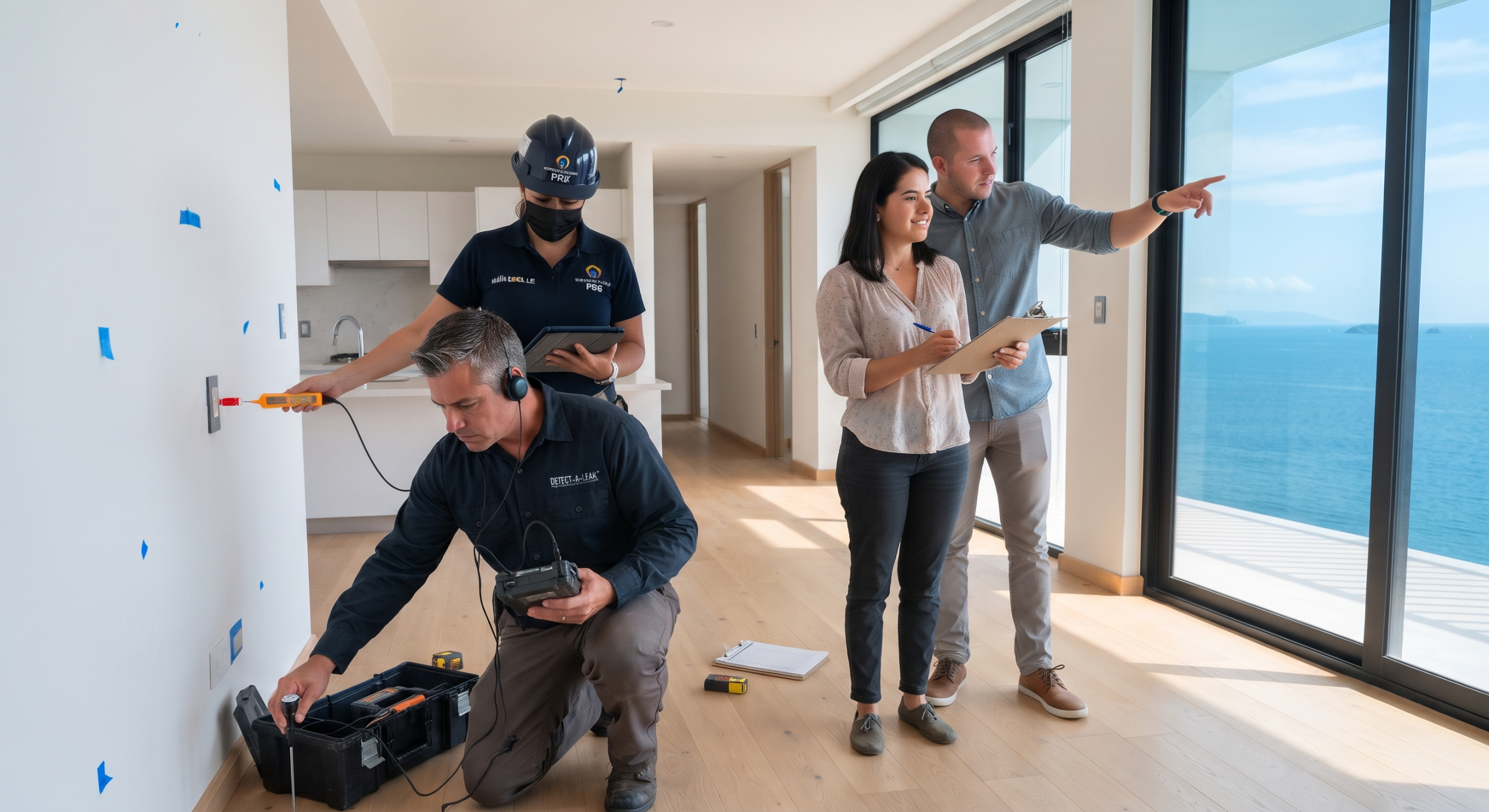
The handover of your new apartment marks the decisive moment when months or years of effort, savings, and anticipation finally transform into a tangible reality. However, far from being a mere administrative formality or a simple key-handover procedure, this process represents the formal closure of your real estate investment and the official starting point of your legal rights as a property owner. Attending this appointment without proper technical preparation can turn out to be very costly. The hidden cost of signing an unconditional acceptance without thoroughly inspecting the property usually translates into unforeseen repairs that end up coming straight out of your pocket, exhausting disagreements with the developer, and a significant loss in the initial appreciation of your asset. Do you know exactly what to look for, what tools to bring, and how to protect your investment from the very first second? Read on to discover the infallible method every smart buyer should apply before signing the handover minutes.
Table of Contents
Before Stepping Into the Apartment: Document and Legal Preparation
A successful inspection doesn’t begin in front of the property door, but weeks beforehand at your desk. Arriving at the appointment with a complete file makes the difference between a superficial review and a professional audit.

Essential Documents in Your Folder
- Purchase Agreement (Contrato de compraventa): The golden rule to verify that the agreed conditions (surface area, specific finishes, and general features) match reality.
- Specifications Memorandum and Finishes Letter (Memoria descriptiva y carta de acabados): The technical document where the developer details the exact brands, models, material qualities, and equipment they must deliver to you.
- Architectural Plans and Installations: They allow you to check the real location of pipes, electrical outlets, and wall layouts.
Communication Protocol with the Developer
Coordinate in advance who will attend on behalf of the construction company, confirm the estimated time for the review (allow at least two full hours, without rushing), and make sure that the person signing on behalf of the company has the legal authority to commit to correcting any defects you find.
The Expert Buyer’s Technical Backpack
Don’t rely solely on your eyes. Pack a backpack with basic yet essential tools: a bubble level (to detect uneven floors and walls), a multimeter or voltage tester to check that outlets have power and proper grounding, a powerful flashlight (ideal for checking dark corners and detecting moisture), a tape measure, and a pad of sticky notes to visually mark each flaw while taking photos.
Structure and Finishes Audit: Detail by Detail
Walk through each space making the most of natural light. Meticulously examine surfaces, corners, and joints by applying a very rigorous visual and tactile audit.
Floors and Baseboards
Check that the installation is completely homogeneous. Gently tap the tiles with your knuckle or the handle of a screwdriver to detect hollow pieces (which will easily break under any subsequent impact). Ensure there are no pronounced uneven levels, chipped pieces, or very evident tone variations between one box of material and another.
Walls, Ceilings, and Paint
Inspect ceilings and walls looking for critical signs of rising damp or leaks (yellowish stains, bubbling paint, or rough textures). Carefully differentiate between a simple settlement fissure (fine, superficial cracks in the plaster) and a structural crack (deep or diagonal across load-bearing walls). Also verify that the corners form perfect right angles (squares).
Carpentry and Hardware
Test each interior and access door multiple times. They should open and close with total smoothness, without scraping the floor or forcing the frame. Check the correct alignment of the hinges, that the locks operate without jamming, and that the rubber gaskets provide a good acoustic and thermal seal when fully closed.
Frames and Glass (Cancelería)
Subject windows and sliding doors to a thorough review. Inspect the glass under natural and artificial light to detect deep scratches (a common defect that builders only repair if reported on handover day). Check that neoprene gaskets are properly placed without gaps and that the aluminum framing shows no dents or looseness that could allow air or rain leaks.

Installation Tests: Hydraulic, Electrical, and HVAC
Once the surface structure has been reviewed, it’s time to evaluate the functional veins and arteries of the apartment. A failure in these networks is not only annoying, but costly and complex to repair once you have moved in.
Hydraulic and Sanitary System
Turn on all kitchen and bathroom faucets at the same time to evaluate real water pressure under simultaneous usage conditions. Verify that the flow is constant in both hot and cold water. Completely fill the sinks, basins, and bathtub or shower, and let the water run for several minutes to check drainage speed and efficiency. Check with a flashlight and touch the floor beneath bathroom vanities and sinks to detect any traces of moisture or micro-leaks at the joints of PVC and copper pipes.
Electrical Installation
Don’t limit yourself to turning on the main room light. Bring your voltage tester or multimeter and verify that every switch and outlet works correctly. It is vital to check that outlets have physical grounding (the third safety pin); otherwise, your electronic equipment will be exposed to power surges. Open the breaker panel, verify that each switch is properly labeled, and identify which area of the house each one controls.
Climate Control (HVAC)
If your apartment includes air conditioning equipment, turn them on immediately. Test the different fan speed levels, verify that the air begins to cool in a few minutes, and pay special attention to the noise level of the outdoor compressor. Likewise, inspect the correct slope in drain hoses to prevent stagnation that could lead to leaks toward your walls or your neighbors’.
Equipment, Furniture, and Meters
If your property is sold under an equipped or furnished scheme, the review becomes millimetric. You have the absolute right to receive exactly what you paid for.
Cross-Checking Appliances and Integral Kitchen
Compare the kitchen elements one by one against your finishes letter and contract. Verify brands, models, capacities, and colors of the stove, extractor hood, oven, refrigerator, and cabinetry accessories. Make sure that cabinet doors close in alignment and that drawers feature soft-close mechanisms if stipulated in the commercial offer.
Initial Meter Readings
Locate the meters corresponding to your unit (water, electricity, and natural or stationary gas). Accurately write down the initial readings on the day of delivery and take a clear photograph of each dial. This data is indispensable evidence to avoid paying for previous consumption generated during the tower’s construction stage. Also corroborate that utility bills or supply contracts are in your name or in active processing with the corresponding authorities.
Common Services and Initial Management
Learn about the current status of the building’s general supply contracts, the operation of hydropneumatic pumps, emergency power generators, and fire protection systems.
Common Areas, Condominium Regime, and Administration
A great apartment loses value if the community environment collapses. The review must extend beyond the front door of your home.
Handover of Amenities
Confirm in writing the status and exact date of official handover for the development’s amenities (pool, roof garden, gym, multipurpose room, and guardhouse). In many cases, developers hand over private apartments while common areas are still under raw construction or restricted—a detail that must be perfectly clarified so as not to affect the utility value you pay for in your maintenance fee.
Role of Provisional Administration
During the first few months, developers usually appoint a provisional administration. It is essential to know who will be in charge, what their functions are, and when the first owners’ meeting will be called to form the final surveillance committee.
Maintenance Fee and Regulations
Request the estimated amount of the regular maintenance fee, review the internal coexistence regulations (rules regarding pets, use of common areas, moving schedules, and noise restrictions), and note the official communication channels or mobile app provided to report any subsequent incidents.
How to Draw Up Formal Handover Minutes and Register Pending Items
Everything not recorded on handover day will shortly become a source of conflict with the developer. Documental formality is your best protective shield.
The Evidentiary Power of Digital Evidence
Take panoramic and close-up photographs and videos of every flaw you find. Try to activate metadata on your camera or phone so there is irrefutable proof of the date, time, and exact location where each visual record was taken.
Structure of the Punch List (Lista de pendientes)
Draft a clear, orderly, and numbered list. Describe the exact area (e.g., “Master bedroom, west wall”), the specific damage (e.g., “2 cm chip on aluminum window frame”), and attach your photo reference. You must attach fatal and reasonable deadlines to this list for the construction company to carry out corrections.
The Signature Dilemma: Zero Blind Acceptances
Under no circumstances should you sign a document stating “received to complete satisfaction” if there are open observations in the property. Demand that the handover minutes include the detailed punch list as an annex and the developer’s acceptance signature with a resolution deadline. Your signature must be conditional on the satisfactory correction of the pointed items.
The Day After: Real Estate Warranties and Hidden Defects in Mexico
The relationship with the developer does not end upon receiving the keys; in reality, that is when the legal protection period of your investment begins.
Legal Framework and Warranty Terms
In Mexico, the Federal Consumer Protection Law and state civil codes establish clear coverage terms: generally one year for finishes and apparent installations (doors, paint, fixtures, switches) and up to five years (or more, depending on local legislation) for structural problems and hidden defects that compromise the building’s stability.
How to Demand Policy Compliance
Carefully keep your folder with the handover minutes, invoices, equipment manuals, and warranty policies. If you discover a hidden defect weeks later, file a formal claim in writing through institutional channels (email with acknowledgment of receipt or via Profeco—the Federal Consumer Prosecutor’s Office—if the developer refuses to respond). Documented management ensures that the company responds without legal delays.
Conclusion: Your New Apartment, Your Shielded Asset
The handover of a new apartment is not the final point of the purchase process, but the threshold where true responsibility for your investment begins. Facing this moment with rigorous documental preparation, basic technical tools, and above all, the determination not to sign blind acceptances, makes the difference between enjoying your new home with peace of mind or dealing with costly and exhausting repairs. Remember that every detail documented on time is a legal guarantee in your favor and direct protection for the asset you have worked so hard to build. Congratulations on this new chapter as a homeowner!
Are you about to receive your property or looking for the ideal apartment? At Plalla Real Estate, we help you secure your asset safely, guiding you through every step of the purchasing, inspection, and handover process so your investment is always protected.



Join The Discussion